Childbirth today is safer than ever in medical history. Yet globally, nearly 1 in 5 babies are born through Cesarean Section (C-Section surgery) — not as an emergency measure, but as a planned, evidence-based, and highly controlled delivery method.
According to the World Health Organization, C-section rates between 15–20% are associated with the best maternal and newborn outcomes. In urban hospitals and tertiary care centers, this number is often higher because specialists prioritize safety, predictability, and zero risk to mother and baby.
Modern C-section surgery is:
• precise
• fast
• safe
• well monitored
• and completed in under 45 minutes
For the right clinical indications, it is not an alternative — it is the safest way to deliver a healthy baby.
What Is a C-Section Surgery?
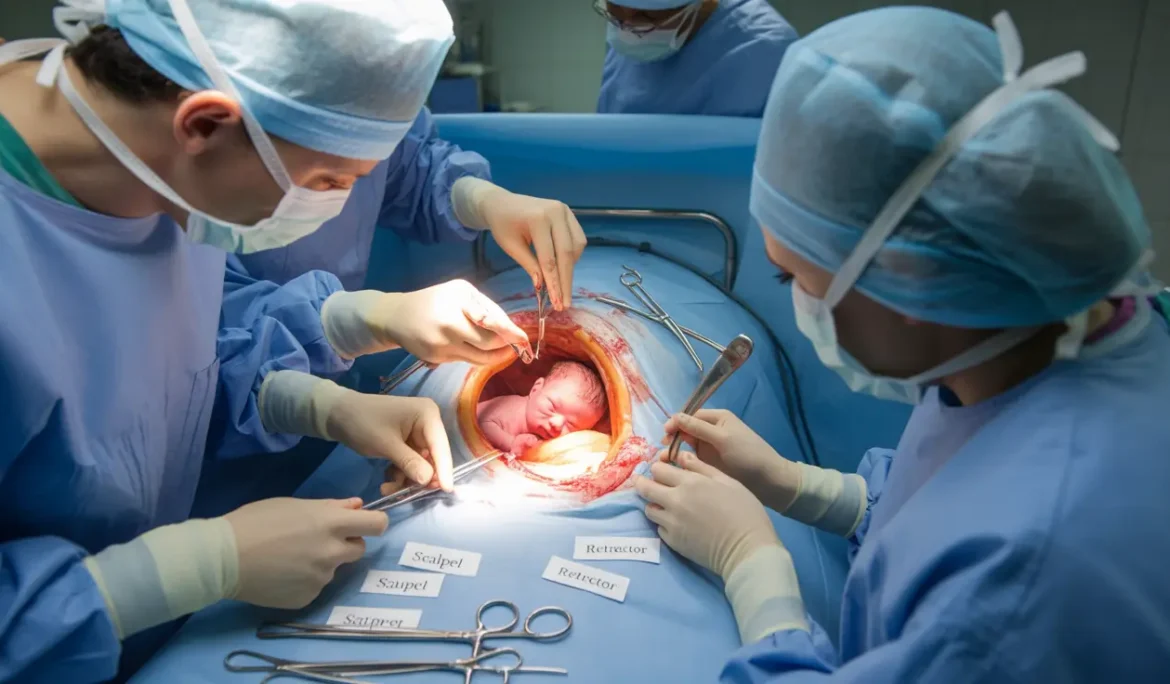
A C-section (Cesarean delivery) is a surgical procedure in which the baby is delivered through a small incision in the abdomen and uterus.
It is performed under:
• Spinal anesthesia (most common)
• Epidural anesthesia
• or General anesthesia (rare cases)
The mother remains comfortable, awake, and pain-free in most modern procedures.
The baby is delivered within 5–10 minutes after the incision.
When Do You Actually Need a C-Section?
C-section is recommended when vaginal delivery may create risk for mother or baby.
Clinical guidelines from the American College of Obstetricians and Gynecologists advise surgery in situations such as:
• Baby in breech or transverse position
• Fetal distress or heart rate changes
• Prolonged or obstructed labour
• Placenta previa or low-lying placenta
• Twin or multiple pregnancy
• Previous uterine surgery or prior C-section
• Large baby (macrosomia)
• Maternal hypertension or diabetes complications
In these cases, C-section provides controlled, predictable, and safer delivery.
Why Modern C-Section Surgery Is Safe and Worth It
Today’s Cesarean delivery is very different from older surgical methods.
Advanced techniques ensure:
- Small, low transverse incision
- Minimal blood loss
- Faster healing
- Short hospital stay
- Early breastfeeding
- Early mobility
- Excellent cosmetic scar
- Most mothers walk within 12–24 hours.
- Most go home within 3–4 days.
- Recovery continues smoothly at home.
Instead of uncertainty during long labour, surgery offers clarity, timing, and safety.
Step-by-Step: How a C-Section Is Performed
1. Anesthesia
Spinal/epidural ensures complete comfort.
2. Small abdominal incision
Usually 8–10 cm, placed low for better healing.
3. Uterine opening
Baby is delivered gently.
4. Immediate newborn care
Baby is assessed and handed to mother.
5. Closure
Layered stitching for strong healing.
Total time: 30–45 minutes
C-Section Recovery Timeline
Recovery is structured and predictable.
• Day 1 – Sitting & walking with support
• Day 2–3 – Normal meals & baby care
• Day 3–4 – Discharge home
• Week 2 – Light activities
• Week 4–6 – Full routine
With proper guidance, most mothers resume daily life confidently and comfortably.
Is C-Section Surgery Worth It? Final Verdict
If medical indications exist, C-section is not just helpful — it is the safest delivery pathway.
It offers:
• Maximum safety
• Controlled birth
• Reduced complications
• Immediate neonatal care
• Predictable recovery
Modern obstetrics focuses on healthy mother + healthy baby, not just mode of delivery.
When advised by your specialist, a C-section is a smart, evidence-based, and life-protecting decision.